


AI is Reshaping the Built Environment: Are Your Real Estate Decisions Ready?
Artificial intelligence is accelerating change inside organizations, yet real estate decisions remain long-term commitments. For CEOs and the brokers advising them, that gap presents both risk and opportunity. In this interview, Jocelyne Holland explores how AI-driven shifts in workflow, collaboration, and innovation are influencing workplace strategy, and why behavioural insight, adaptability, and long-range planning are essential when making five-to-ten-year capital decisions in a rapidly evolving landscape.

Artificial intelligence is accelerating change inside organizations, yet real estate decisions remain long-term commitments. For CEOs and the brokers advising them, that gap presents both risk and opportunity. In this interview, Jocelyne Holland explores how AI-driven shifts in workflow, collaboration, and innovation are influencing workplace strategy, and why behavioural insight, adaptability, and long-range planning are essential when making five-to-ten-year capital decisions in a rapidly evolving landscape.
Q: AI is accelerating changeinside organizations. What does that mean for long-term real estate decisions?
Jocelyne: AI excites me, not because of the technology itself, but because of what it unlocks.
AI is accelerating innovation inside organizations. It’s changing how quickly ideas move, how teams collaborate, and how repetitive work is reduced. That shift has a direct impact on how people experience the workplace.
The challenge is that real estate decisions are long-term commitments. Most leases are five to ten years. When you build out space, you’re making a capital investment based on how you believe your organization will operate.
But AI is reshaping workflows much faster than traditional real estate cycles.
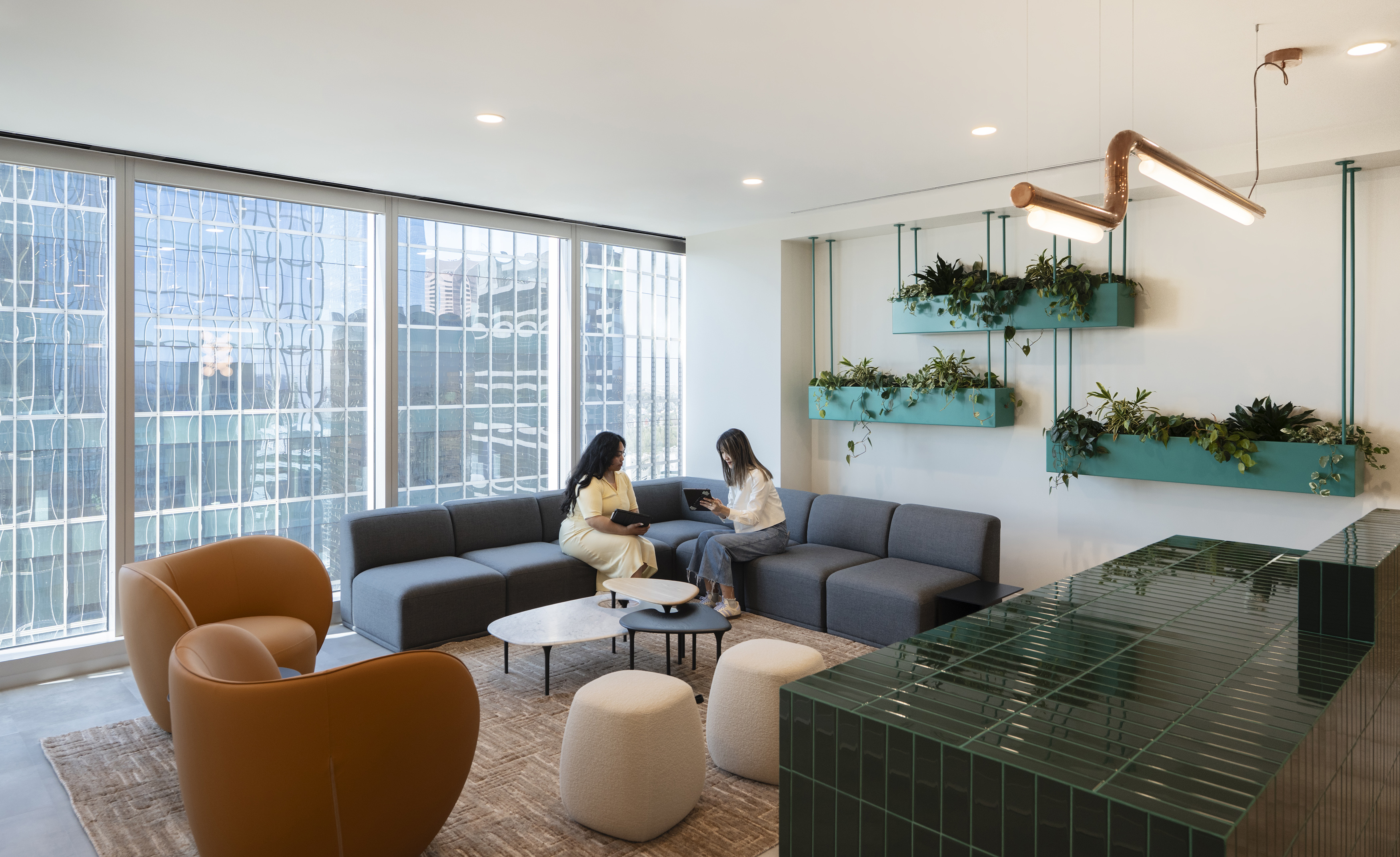
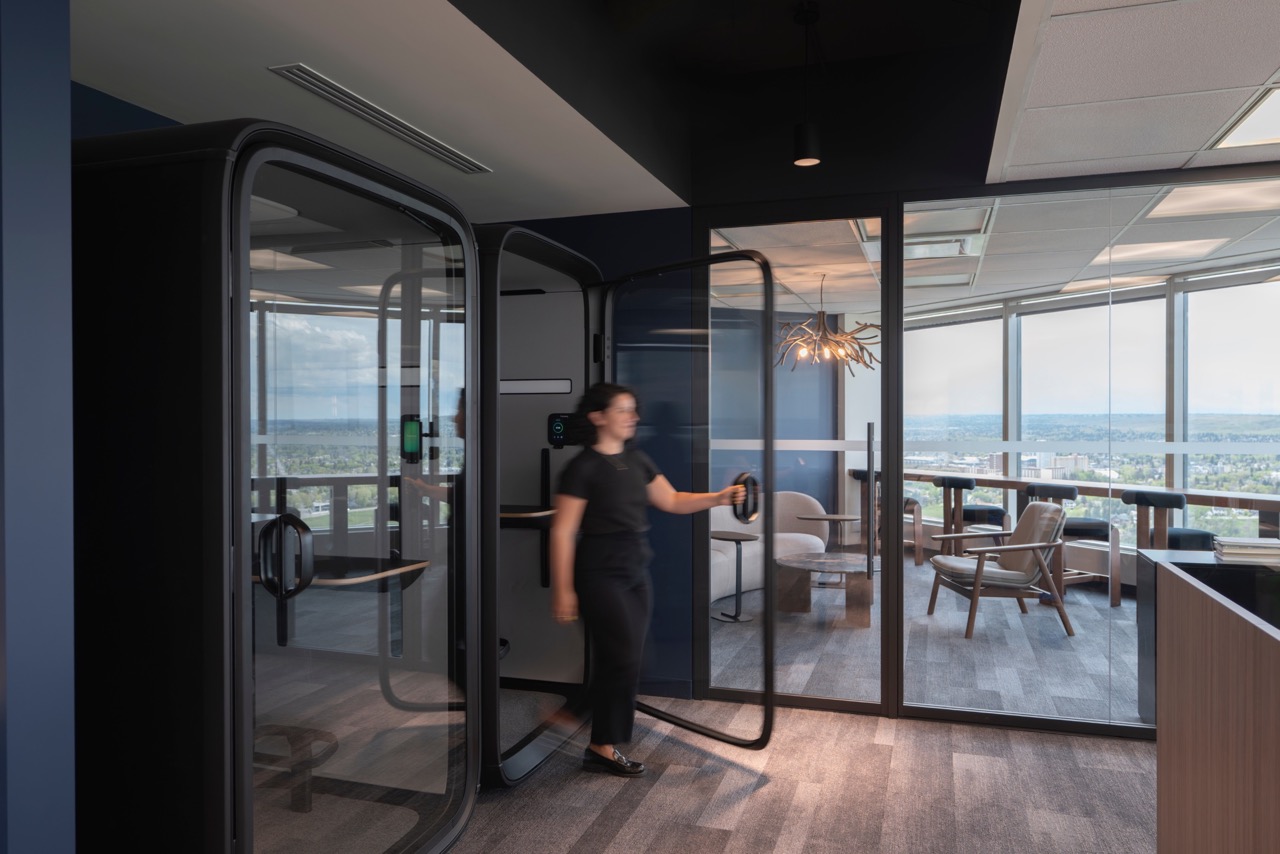
If teams are spending less time on administrative tasks and more time innovating, collaborating, and solving complex problems, the built environment must support that evolution. We may need fewer static, task-based workstations and more environments that support dialogue, creativity, focus, andadaptability. As voice interaction with AI increases, acoustics and privacy become more important. As AI accelerates output, collaboration spaces become morevaluable.
To me, this isn’t about chasing technology. It’s about designing infrastructure that supports innovation.
The organizations that will lead in an AI-driven world are the ones thatview their workplace not as overhead, but as a strategic platform, one that enables their people to think, connect, and build what’s next.
Design must anticipate innovation. It can’t lag behind it.
Q: What real estate or workplace mistakes are companies at risk of making right now as AI adoption accelerates?
J: One of the biggest mistakes I see is designing around assumptions instead of behaviors.
AI is evolving quickly, and many organizations are either overreacting, trying to design around specific tools, or underreacting, assuming their workflows won’t change materially.
Both approaches create risk.
I’ve seen companies invest heavily in highly fixed, highly specific infrastructure that reflects how they worked three years ago. In a five-to-ten-year lease cycle, that can become expensive very quickly.
Technology will continue to evolve. What shouldn’t change is our commitment to adaptability.
The mistake isn’t integrating AI. The mistake is building environments that can’t flex as AI evolves.
For example, overbuilding fixed workstations as utilization patterns shift. Over-engineering tech integrations that may become obsolete. Designing spaces that don’t account for increased collaboration, AI interaction, or hybrid work rhythms.
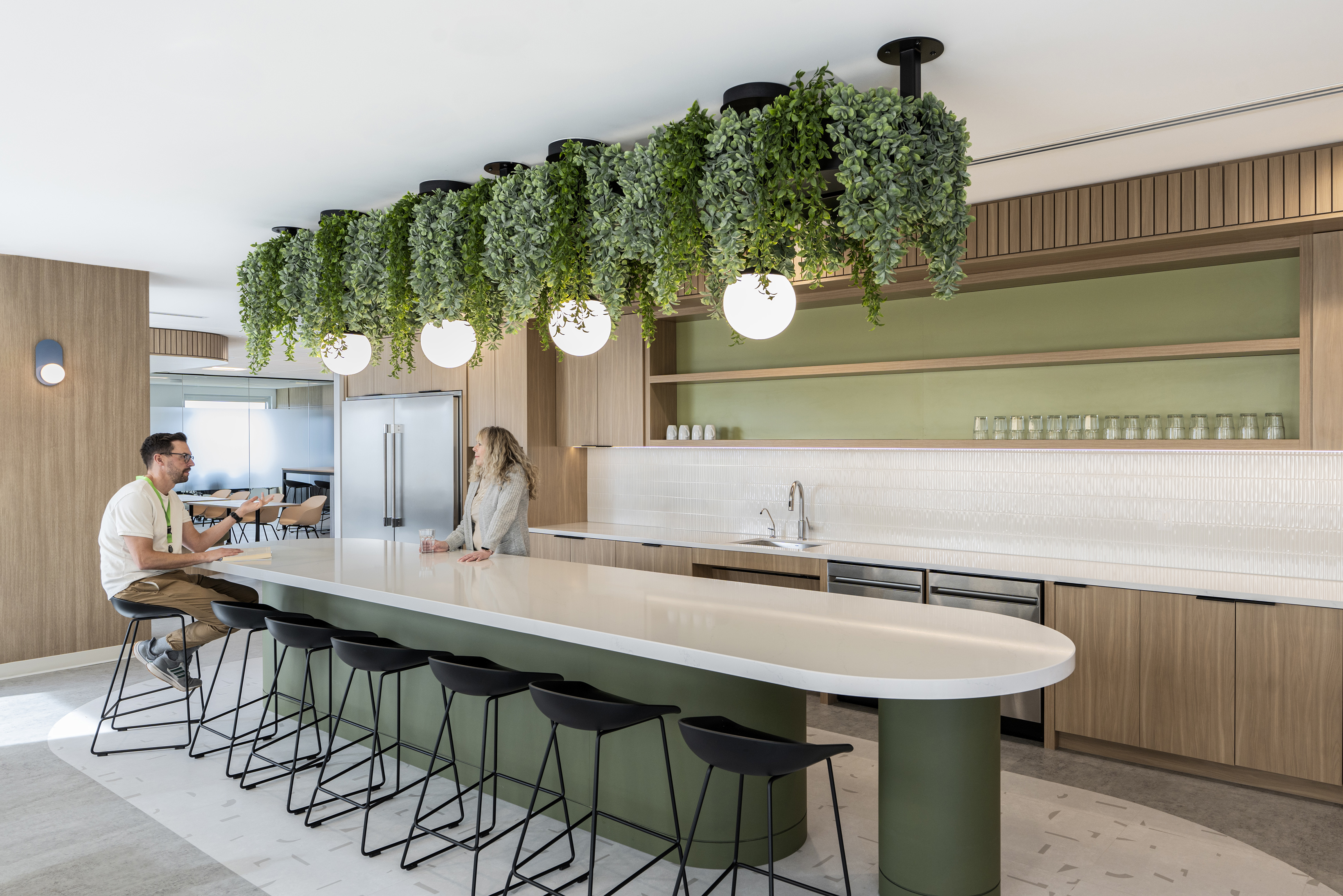
The organizations that will move confidently through this shift are the ones that design for variety, flexibility, acoustic performance, and multipurpose choice driven environments, rather than designing around specific tools.
AI is accelerating innovation. Our built environments must be able to absorb that acceleration without requiring constant reinvention.
That’s where strategy matters.
Q: How should executive teams be preparing today for AI-driven workplace shifts over the next 5–10 years?
J: Before making any real estate decisions, leadership teams need to understand how AI is actually shaping their organization. Not in theory, but in workflow.
When I talk about structured data and behavioural analysis, I don’t mean dashboards in isolation. I mean understanding how people are actually working, in real time, and never designing from assumptions.
We start by listening to end users. Not just leadership, but the people doing the work every day. We conduct structured interviews, observe workflows, and identify patterns across departments. Where does collaboration naturally happen? Where does friction exist? How is AI being integrated into daily tasks?Is it reducing administrative load? Is it accelerating output? Is it changing how teams communicate?
We pair those conversations with measurable data - utilization trends, meeting patterns, occupancy rhythms, growth projections, hybrid policies, and technology roadmaps. The goal is to see both the human behaviour and the operational reality.
Assumptions are expensive in real estate.
When you sign a long-term lease or invest in a build-out, you are making a capital decision. That decision should be grounded in observable behaviour and structured insight, not in how the organization used to work or how we assume it might work.
Only once we understand the trajectory and real behaviour do we translate that into a spatial strategy.
AI is accelerating change, but people remain at the center of it. If we don’t deeply understand how they work, we risk building environments that constrain innovation rather than support it.
Q: If AI automates more tasks, what becomes more valuable inside the workplace?
J: What becomes more valuable is what was always uniquely human.
AI can accelerate output. It can reduce repetitive work. It can surface information faster than ever before. But it can’t replace judgment, creativity, trust, or the energy that comes from strong collaboration.
As administrative friction decreases, people have more capacity for higher-level thinking and more meaningful interaction. That shifts what the workplace is for.
The office becomes less about rows of desks and task execution, and more about innovation, alignment, and connection.
That doesn’t make space less important. It makes it more intentional.
If people are coming together to solve complex problems, to build culture, to mentor, to collaborate across disciplines, the environment must support those behaviours. It needs to support focus and deep thinking, yes, but also dialogue, idea exchange, and psychological safety.
AI may increase efficiency, but long-term performance will still be driven by people.
The organizations that will lead are the ones that understand this balance, leveraging technology to remove friction while intentionally designing environments that elevate human capability.
Innovation isn’t just about the tools we adopt. It’s about whether our infrastructure supports the way we think, create, and work together.
And that’s where the built environment plays a strategic role.


Q: You’ve referenced long-term trajectory and behavioural insight. How does Holland’s Future Readiness Teamhelp organizations navigate AI-driven change?
J: When we talk about Future Readiness, we’re really talking about reducing long-term risk while enabling innovation.
AI is just one of several forces accelerating change, alongside hybrid work, generational shifts, workforce mobility, and evolving business models. If organizations respond to each of these in isolation, they end up making fragmented decisions.
Our Future Readiness approach integrates them.
We start by understanding where the organization is heading in five to ten years. Growth projections, leadership vision, cultural priorities, technology integration, and lease timelines. AI adoption is evaluated within that broader strategic context.
Then we study behaviour. How work is actually happening today. Where friction exists. Where innovation is emerging. Where infrastructure is supporting performance, and where it’s constraining it.
From there, we develop a spatial strategy that isn’t reactive to technology trends but resilient to change.
Future Readiness isn’t about predicting the next tool. It’s about building environments that can evolve alongside tools.
It’s disciplined. It’s data-informed. And it ensures that real estate becomes a strategic asset, not a constraint, as organizations scale and innovate.
Q: What should CEOs and the real estate professionals advising them be challenging themselves to think about right now?
J: I would encourage leaders to pause and zoom out.
AI is moving quickly. It’s changing how work gets done, how quickly ideasmove, and how teams collaborate. But real estate decisions are slower. They’re long-term commitments. And that gap requires thoughtful leadership.
So before focusing on square footage or incentives, I would ask:
What are we really building toward?
What kind of environment supports the level of innovation we expect?
What kind of culture are we trying to strengthen?
What behaviors do we want to encourage over the next five to ten years?
For brokers and real estate advisors, this is such an important opportunity. The most valuable conversations aren’t about space first, they’re about direction. Helping clients step back and think strategically about where their organization is heading creates much stronger, more resilient decisions.
To me, the workplace should reflect intention.
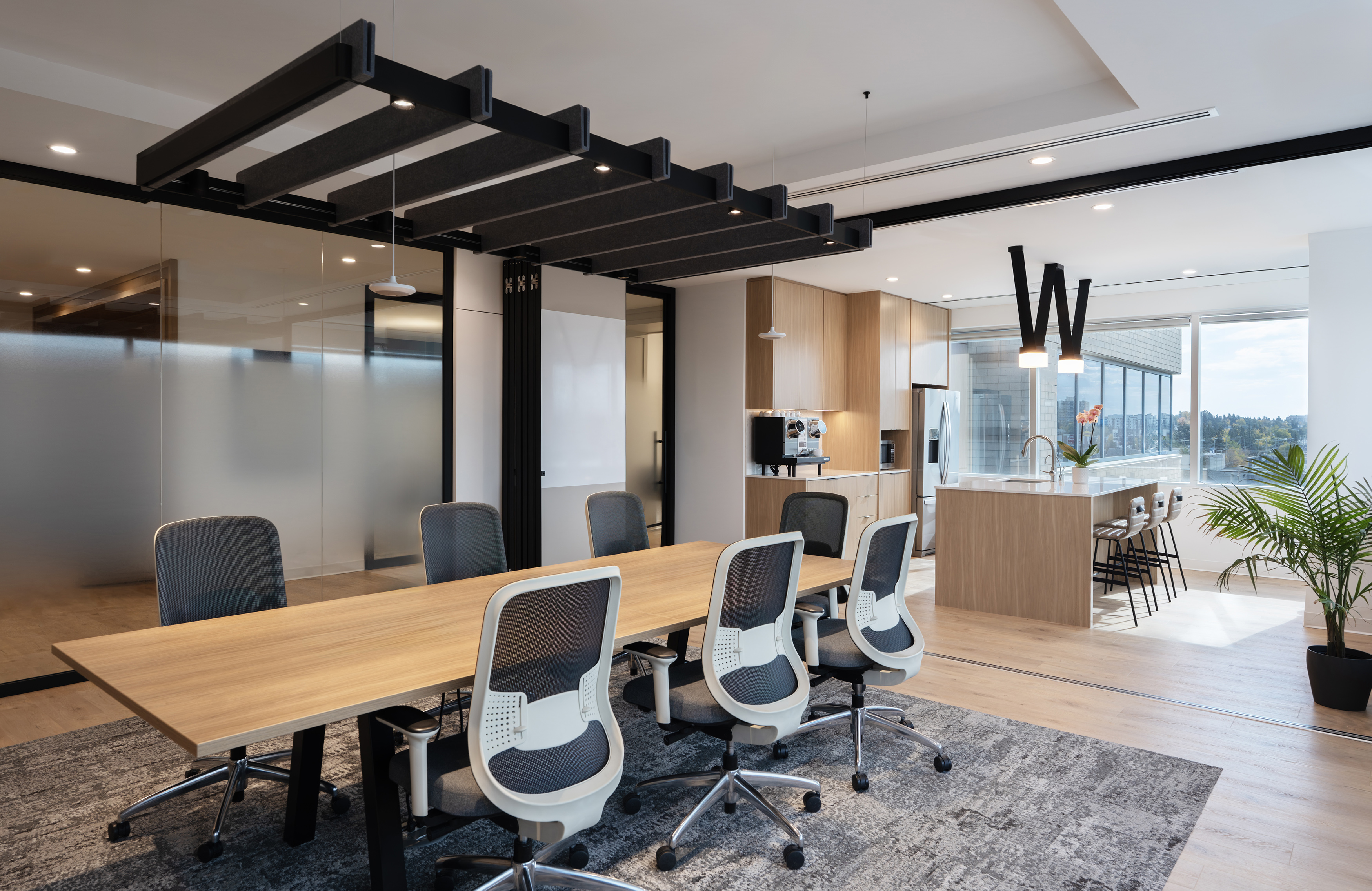
If innovation matters, the environment should support creative thinking and collaboration.
If leadership visibility matters, space should encourage connection.
If performance matters, the infrastructure should remove friction, not create it.
AI will continue to evolve. The question is whether we are designing environments that can evolve alongside it.
That’s really the heart of it.

Get in touch with us
Collaboration means clients are part of the process from the start. With clear communication and transparent decisions, everyone understands what’s happening and why. Sometimes that means allowing more time for the right choice, other times it’s guiding a key design decision. In every case, trust leads to spaces that fit the organization and the people who use them.
At Holland, collaboration shapes every project. We keep the conversation open, share our expertise, and work with you to create spaces that inspire, perform, and adapt.
Ready to bring your vision to life with a team that values efficiency and collaboration? Get in touch with us today.
Related Articles
See all

Let’s connect
Get in touch to learn more about human-centred spaces that inspire, engage, and connect.
Contact Us